Genotype Testing
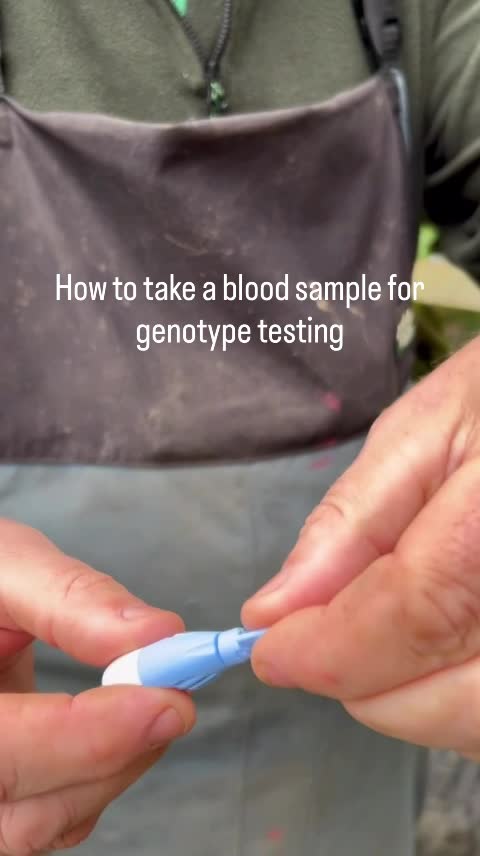
This video is to assist with taking a blood sample for Genotype Testing
Genotype testing is one of the most valuable tools available to sheep breeders because it allows you to make informed breeding decisions based on an animal's genetic makeup, rather than relying solely on appearance or performance.
For breeds such as Gotland sheep, genotype testing offers several important benefits:
1. Improve Scrapie Resistance
The primary reason for genotype testing in the UK is to identify a sheep's resistance to scrapie.
Sheep inherit different versions (alleles) of the PRNP gene, resulting in genotypes such as:
ARR/ARR – Highly resistant to classical scrapie.
ARR/ARQ – Good resistance.
ARQ/ARQ – Average susceptibility.
VRQ carriers – Highly susceptible to scrapie.Selecting rams with resistant genotypes helps reduce the risk of scrapie within your flock over time.
2. Make Better Breeding Decisions
Knowing the genotype of both rams and ewes allows you to:
Select the best breeding pairs.
Avoid producing susceptible offspring.
Gradually improve the genetic health of your flock.
Retain valuable bloodlines while increasing disease resistance.3. Increase the Value of Breeding Stock
Many buyers actively seek genotype-tested animals, particularly rams.
Animals with favourable genotypes often:
Sell more easily.
Command higher prices.
Appeal to commercial and pedigree breeders alike.
4. Future-Proof Your Flock
Should there ever be a scrapie outbreak or changes to breeding recommendations, having a flock with resistant genetics puts you in a much stronger position.
5. Provide Confidence to Buyers
Advertising that your sheep are genotype tested demonstrates responsible breeding and gives purchasers confidence that they are investing in healthy, well-managed stock.
6. Maintain Genetic Diversity
Genotype testing doesn't mean breeding only ARR/ARR sheep immediately. Instead, breeders can make balanced decisions that improve resistance while preserving valuable traits such as fleece quality, conformation, maternal ability and breed characteristics.
Is it worth testing?
For pedigree breeders and anyone selling breeding stock, the answer is generally yes. The relatively small cost of testing can:
Increase the marketability of your sheep.
Support long-term flock health.
Help improve the breed nationally.
Give buyers additional confidence in your breeding programme.
By combining genotype information with good performance records and sound conformation, breeders can produce sheep that are not only beautiful and productive but also genetically resilient for future generations.
For breeds such as Gotland sheep, genotype testing offers several important benefits:
1. Improve Scrapie Resistance
The primary reason for genotype testing in the UK is to identify a sheep's resistance to scrapie.
Sheep inherit different versions (alleles) of the PRNP gene, resulting in genotypes such as:
ARR/ARR – Highly resistant to classical scrapie.
ARR/ARQ – Good resistance.
ARQ/ARQ – Average susceptibility.
VRQ carriers – Highly susceptible to scrapie.Selecting rams with resistant genotypes helps reduce the risk of scrapie within your flock over time.
2. Make Better Breeding Decisions
Knowing the genotype of both rams and ewes allows you to:
Select the best breeding pairs.
Avoid producing susceptible offspring.
Gradually improve the genetic health of your flock.
Retain valuable bloodlines while increasing disease resistance.3. Increase the Value of Breeding Stock
Many buyers actively seek genotype-tested animals, particularly rams.
Animals with favourable genotypes often:
Sell more easily.
Command higher prices.
Appeal to commercial and pedigree breeders alike.
4. Future-Proof Your Flock
Should there ever be a scrapie outbreak or changes to breeding recommendations, having a flock with resistant genetics puts you in a much stronger position.
5. Provide Confidence to Buyers
Advertising that your sheep are genotype tested demonstrates responsible breeding and gives purchasers confidence that they are investing in healthy, well-managed stock.
6. Maintain Genetic Diversity
Genotype testing doesn't mean breeding only ARR/ARR sheep immediately. Instead, breeders can make balanced decisions that improve resistance while preserving valuable traits such as fleece quality, conformation, maternal ability and breed characteristics.
Is it worth testing?
For pedigree breeders and anyone selling breeding stock, the answer is generally yes. The relatively small cost of testing can:
Increase the marketability of your sheep.
Support long-term flock health.
Help improve the breed nationally.
Give buyers additional confidence in your breeding programme.
By combining genotype information with good performance records and sound conformation, breeders can produce sheep that are not only beautiful and productive but also genetically resilient for future generations.